Those blank samples do not affect the slope and intercept of the calibration curve.
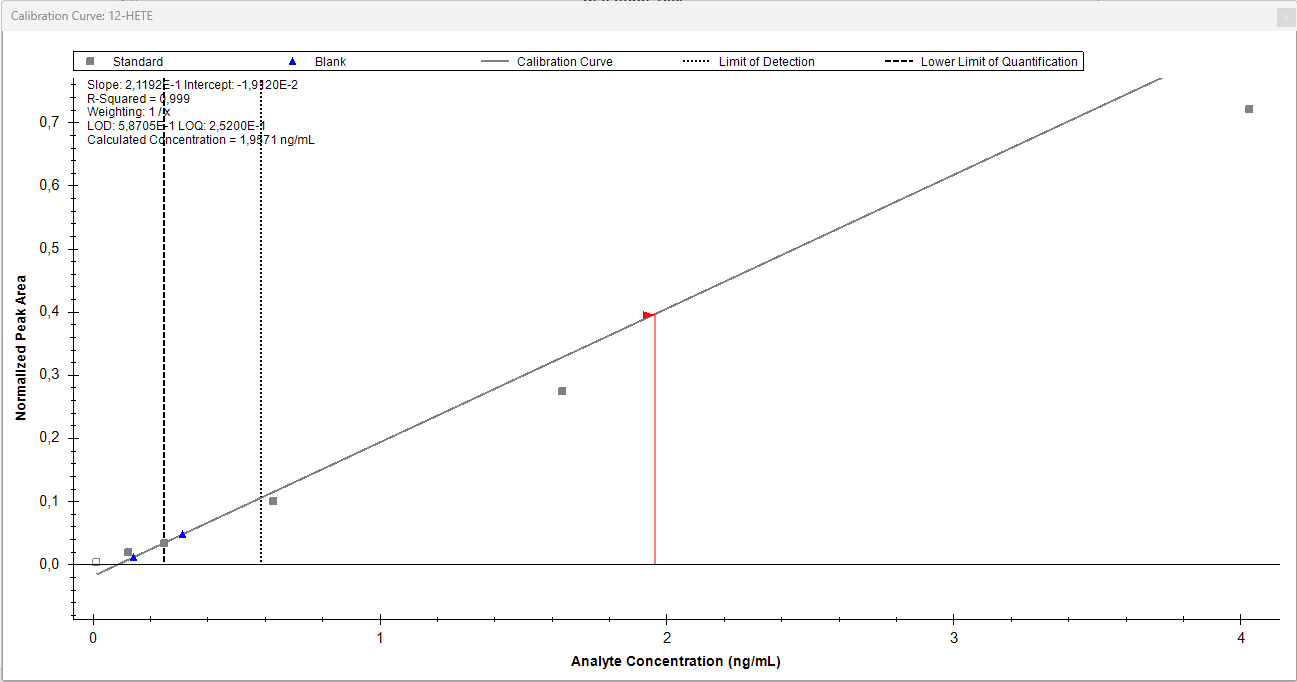
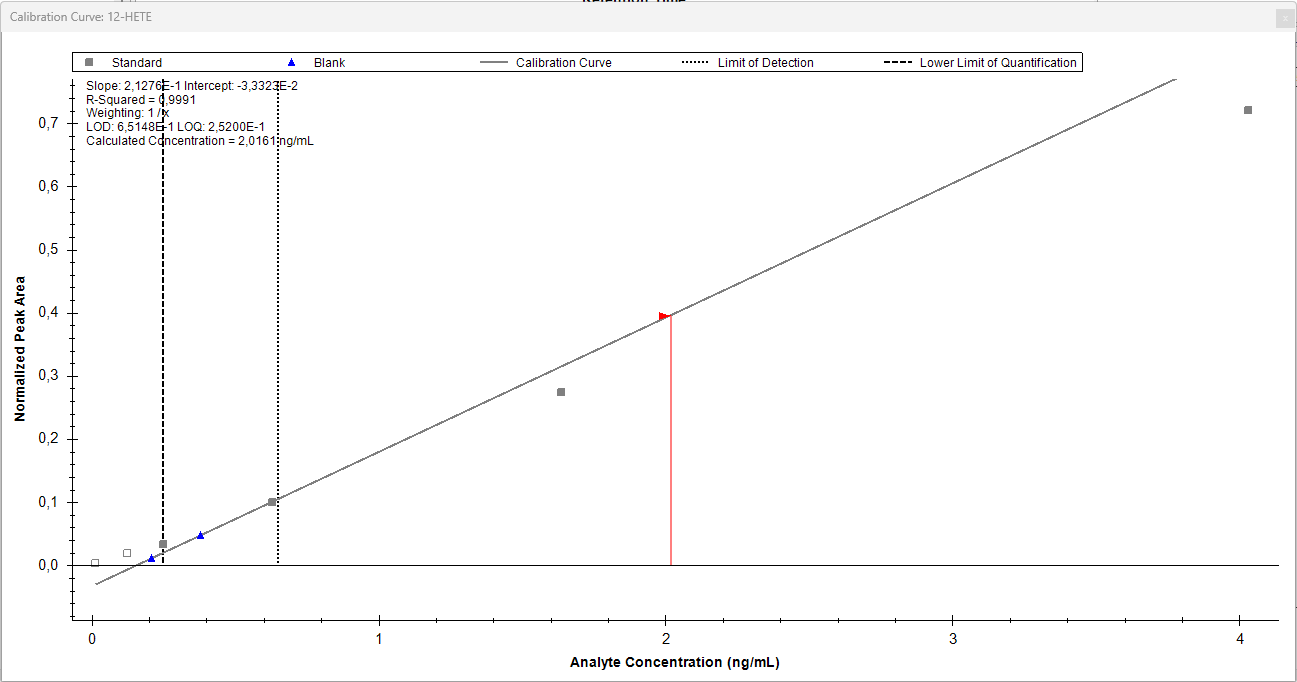
When a concentration has not been specified for a Replicate, the point will be plotted on the graph with a y-coordinate corresponding to the observed intensity, and whatever x-coordinate would put the point along the calibration curve.
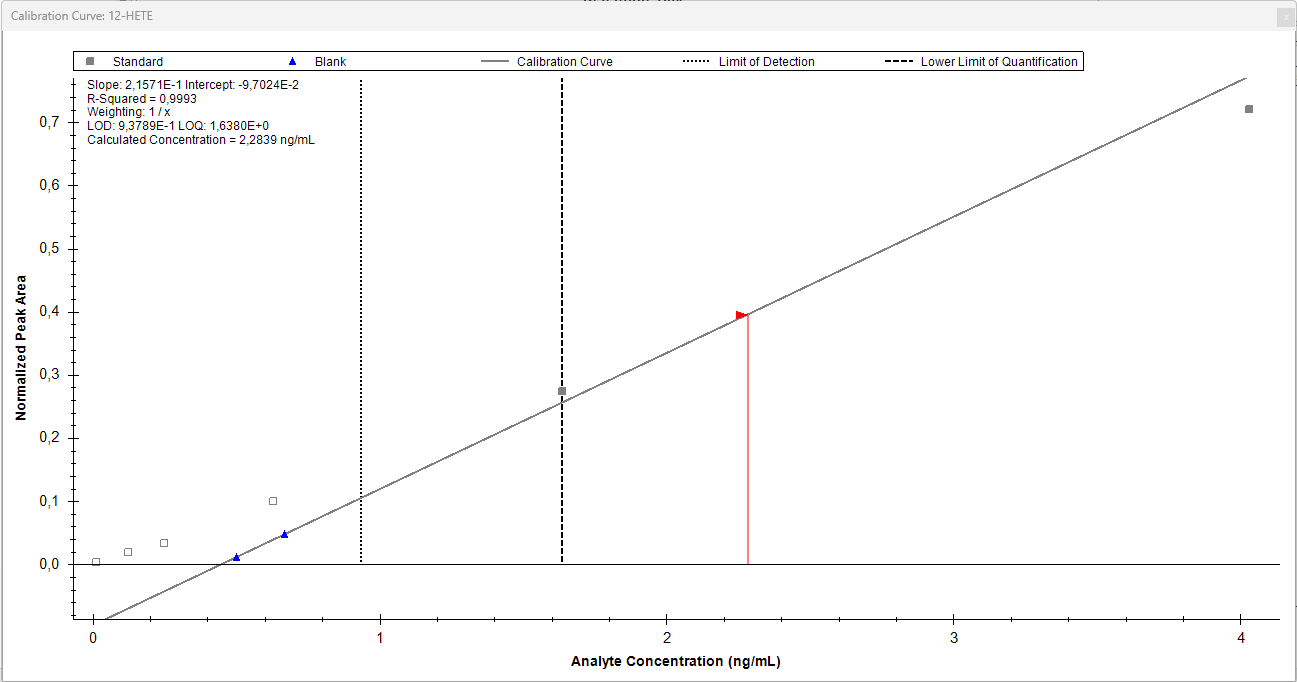
In each of your screenshots, the blanks are being drawn at exactly the same height, but their horizontal position changes because the calibration curve is different.
The blanks do not affect the calibration curve.
However, I am a little confused by your third screenshot. In that third screenshot, there are only two standards left which have not been excluded from calibration, but the calibration curve does not exactly go through those two remaining points. I suspect that the reason it looks like that might have something to do with the rounding of numbers or the particular way that Skyline is drawing that line on the graph. If there are only two external standards, and Skyline can choose any slope or intercept, I certainly would expect Skyline to choose the slope and intercept which causes the curve to go through those two points.
If you send us your Skyline document I might be able to give you a better answer.
In Skyline you can use the menu item:
File > Share
to create a .zip file containing your Skyline document and supporting files including extracted chromatograms.
Files which are less than 50MB can be attached to these support requests. You can always upload larger files here:
https://skyline.ms/files.url
-- Nick
 Screenshot CalCurve - HETE - 1.png
 Screenshot CalCurve - HETE - 2.png
 Screenshot CalCurve - HETE - 3.png